


Overview
Author: Samata Foundation
Published: 2018
ISBN: 978-9937-9185-1-0
Language: English/Nepali
Edition: First
Pages: 32
A Dalit Buddhist leader’s visit to Nepal
A lecture on Buddha and Karl Marx, world’s two great philosophers, in the birthplace of Buddha! A speech on Buddhist and Marxist philosophies by a scholar born in the land where Buddha achieved his enlightenment, gave his first sermon, and achieved the mahaparinirvana (the great passing away)! Convening of Fourth World Buddhist Conference in the only country where Hinduism is the official religion, and earnest addressing by a Buddhist scholar and political leader from Hindustan on Buddhism and communism, was an astounding event. And the explication on two republican doctrines in front of King Mahendra, the Hindu emperor of Hindu kingdom, was an additional amazing incident. In this sense, the Fourth World Buddhist Conference in Kathmandu, held from 15 to 20 November 1956, was a coincidence of many amazing historical events. The Conference began on 15 November 1956 with inauguration by King Mahendra, while scholars such as Dr. Bhimrao Ambedkar and Rahul Sankrityayan had come from India to participate in it. One was a drafter of the Indian constitution, Dalit leader, and Buddhist scholar; another was an Arya Samaji who became an erudite Marxist writer after being a Buddhist monk. They were invited to the Conference by Prof. Dr. G. P. Malalasekera, founding president of the World Fellowship of Buddhists. He had presented Dr. Ambedkar to the first forum held in Sri Lanka on 25 May 1950 and the third held in Burma on 4 December 1954, after recognizing his erudition of and dedication the Buddhist religion. The second one was held in Japan in 1952.
The Fourth Buddhist Conference held six decades ago proved to be important for renaissance of Buddhism in South Asia. It was just a month before his visit that Dr. Ambedkar-who had led the Dalit movement against the Hindu caste system, Brahmanical values, and caste-based untouchability that had relegated millions of workers and artisans to “Shudra” and “untouchables”-had embraced Buddhism along with tens of thousands of his Dalit followers. Therefore, he had come to Nepal when Hindu Indian society, polity, and religious system were being shaken. With comparative analysis of Buddhism and Marxism, he had stirred the Buddhist and non-Buddhist delegates who had gathered from all over the world.
Course Features
- Lecture 0
- Quiz 0
- Duration 10 weeks
- Skill level All levels
- Language English
- Students 0
- Assessments Yes
You May Like
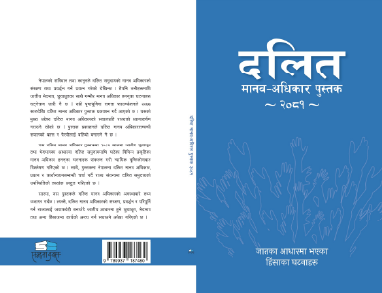

दलित मानव-अधिकार पुस्तक २०८१
दलित मानव–अधिकार पुस्तक २०८१ Author: Samata Foundation Published: 2082 ISBN: 978-9937-187480 Language: Nepali Edition: First Pages: 120 समता फाउण्डेशनले दलितको मानव अधिकारको संरक्षण, संवर्द्धन, प्रवर्द्धन तथा सुनिश्चिततामा सहयोग पुर्याउने...
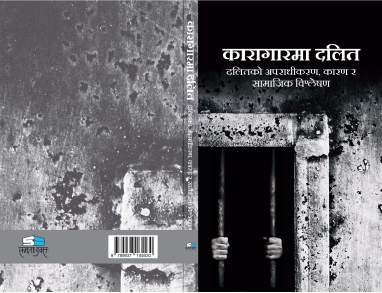
कारागारमा दलित – दलितको अपराधीकरण, कारण र सामाजिक विश्लेषण
कारागारमा दलित – दलितको अपराधीकरण, कारण र सामाजिक विश्लेषण Author: Samata Foundation Published: 2082 ISBN: 978-9937-185530 Language: Nepali Edition: First Pages: 159 समता फाउण्डेशनले आफ्नो स्थापनाकालदेखि दलित तथा सीमान्तकृत...
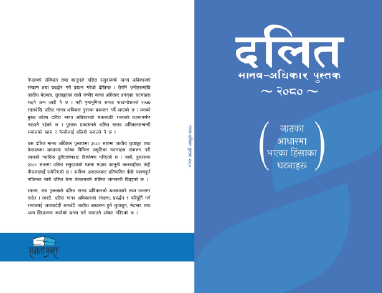
दलित मानव-अधिकार पुस्तक २०८०
दलित मानव–अधिकार पुस्तक २०८० Author: Samata Foundation Published: 2081 ISBN: 978-9937-946964 Language: Nepali Edition: First Pages: 101 यस वर्ष अर्थात् २०८० सालको पुस्तकमा जातीय तथा अन्य सामाजिक छुवाछूत र...
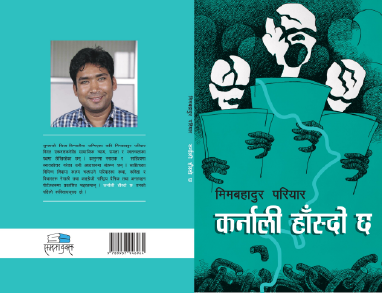
कर्नाली हाँस्दो छ
कर्नाली हाँस्दो छ Author: Mimbahadur Pariyar Published: 2079 ISBN: 978-9937-946964 Language: Nepali Edition: First Pages: 98 दलित साहित्यले कविताको विद्रोही चेतलाई दलनविरुद्ध लड्न एक महत्त्पूर्ण अस्त्रको रूपमा लिएको छ...
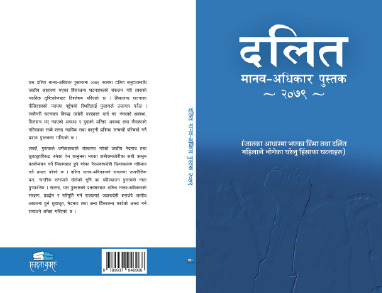
दलित मानव-अधिकार पुस्तक २०७९
Author: Samata Foundation Published: 2080 ISBN: 978-9937-946988 Language: Nepali Edition: First जातीय भेदभाव तथा छुवाछूत सिङ्गो राष्ट्रको समस्या हो । धार्मिक तथा सामाजिक...