Combating the Impacts of Climate Change in Severely Affected Areas of the Ganges-Brahmaputra Basin in South Asia (TECSAI)
PROJECT DURATION: January 2021 – December 2024
Terai Region
Siraha – Lahan Municipality, Aurahi RM, Bhagwanpur RM, Sakhuwanarkatti RM
Saptari – Tiruhut RM, Tilathikoiladi RM, Rajgadh RM, Agnisaier Krishnasarban RM, Surunga Municipality
Hilly Region
Rukum East – Puthauttarganga RM, Bhume RM, Sisne RM
Rolpa – Rolpa Municipality, Lungri RM, Sunilsmriti RM, Sunchhahari RM
PROJECT OVERVIEW:
The project “Combating the Impacts of Climate Change in Severely Affected Areas of the Ganges-Brahmaputra Basin in South Asia (TECSAI)” is a transnational initiative implemented across Nepal, India, and Bangladesh from 2021 to 2024. It focuses on strengthening the economic and social resilience of the most vulnerable populations affected by climate change, particularly marginalized communities whose rights and needs are often overlooked in climate responses.
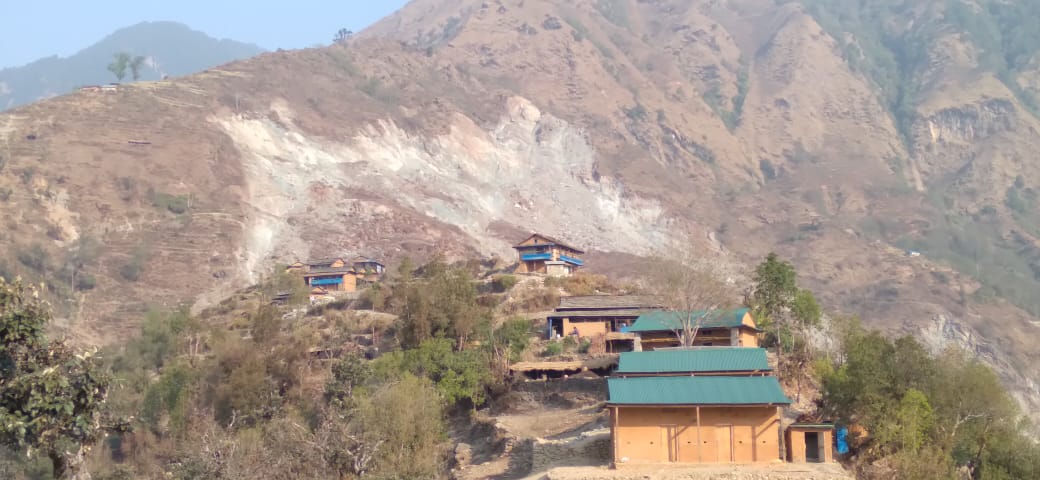
In Nepal, the intervention specifically targets Dalit communities, who face disproportionate exposure to climate risks alongside deep-rooted socio-economic and cultural exclusion. The project is implemented in Siraha and Saptari districts of Madhesh Province, and East Rukum and Rolpa districts of Lumbini Province, covering 16 municipalities and rural municipalities.
The implementation of the project took place during the challenging period of the COVID-19, which severely disrupted local economies and livelihoods. Lockdowns and social distancing measures disproportionately affected daily wage earners and extremely poor Dalit households, intensifying food insecurity and vulnerability in the project areas. In response, the project adopted a community-centered and rights-based approach to address both immediate and structural challenges.
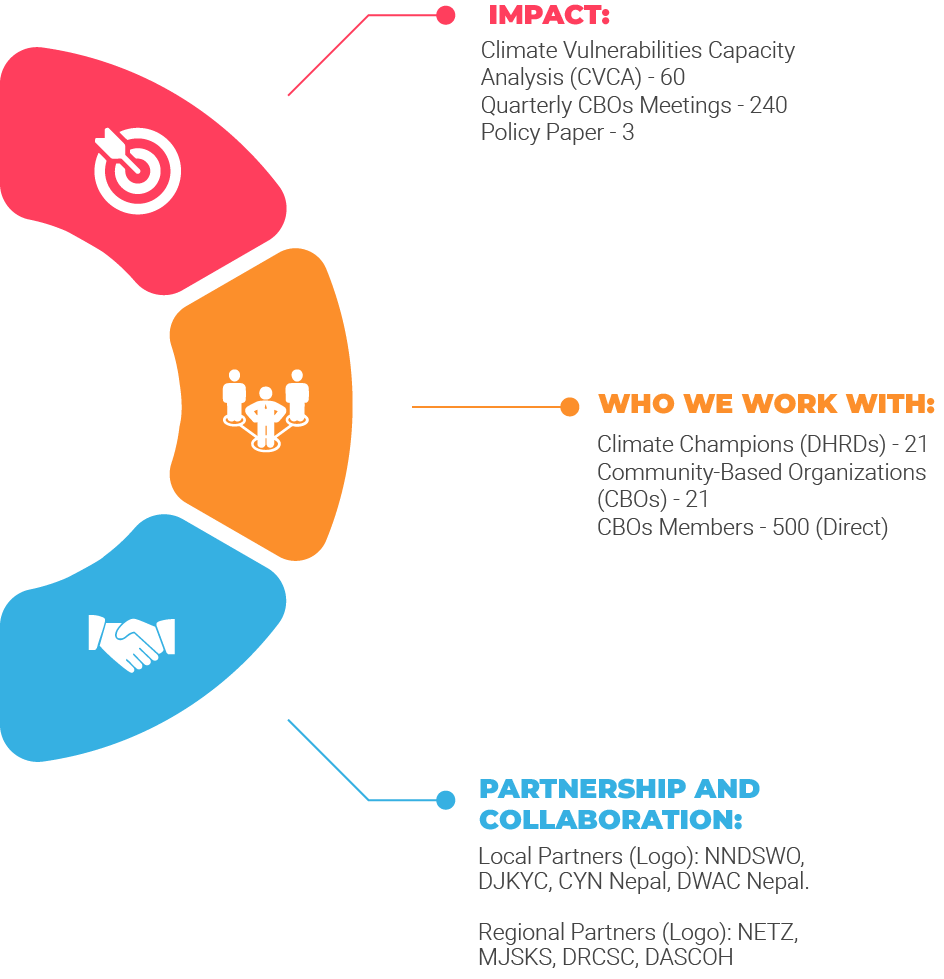
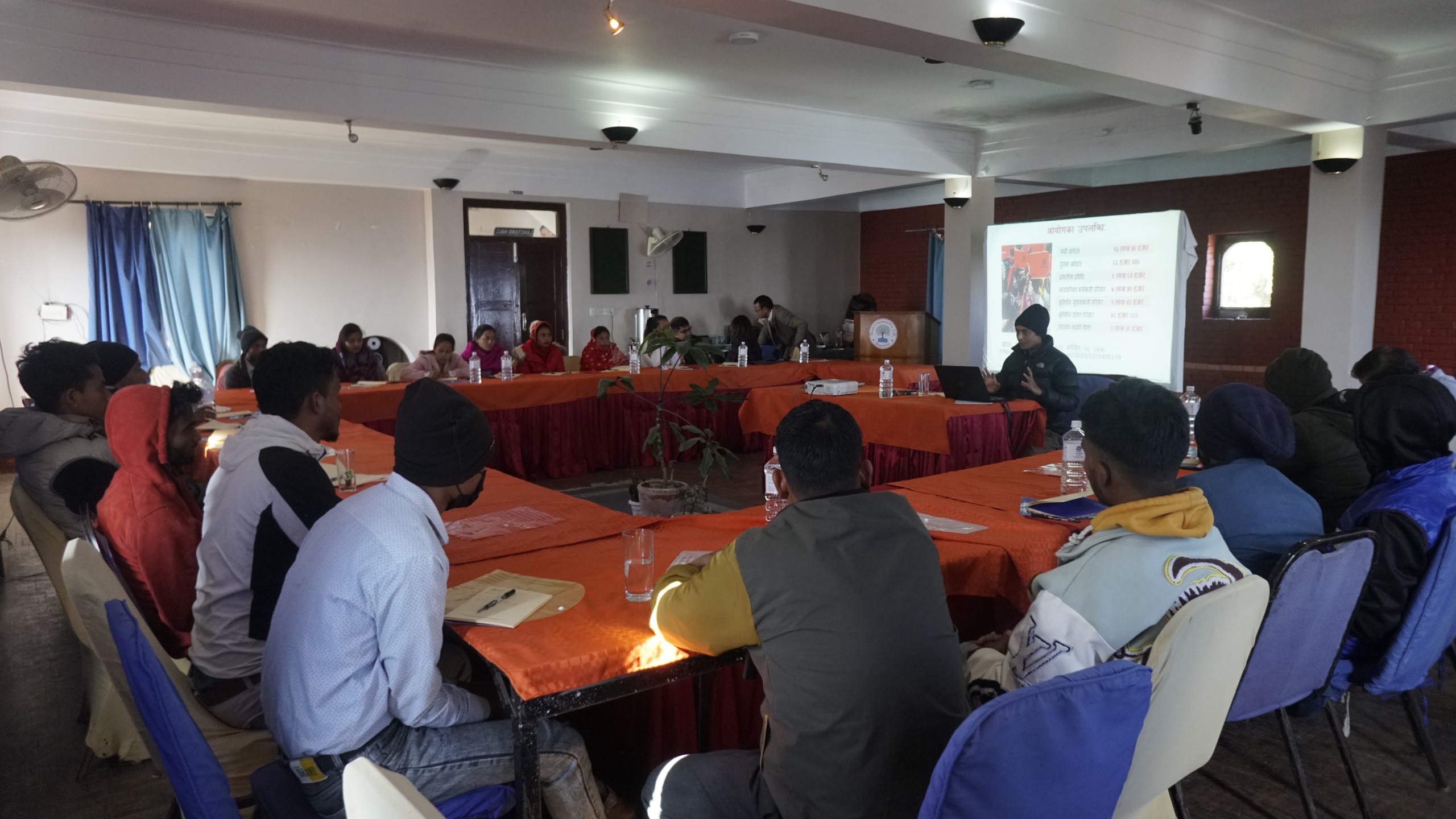
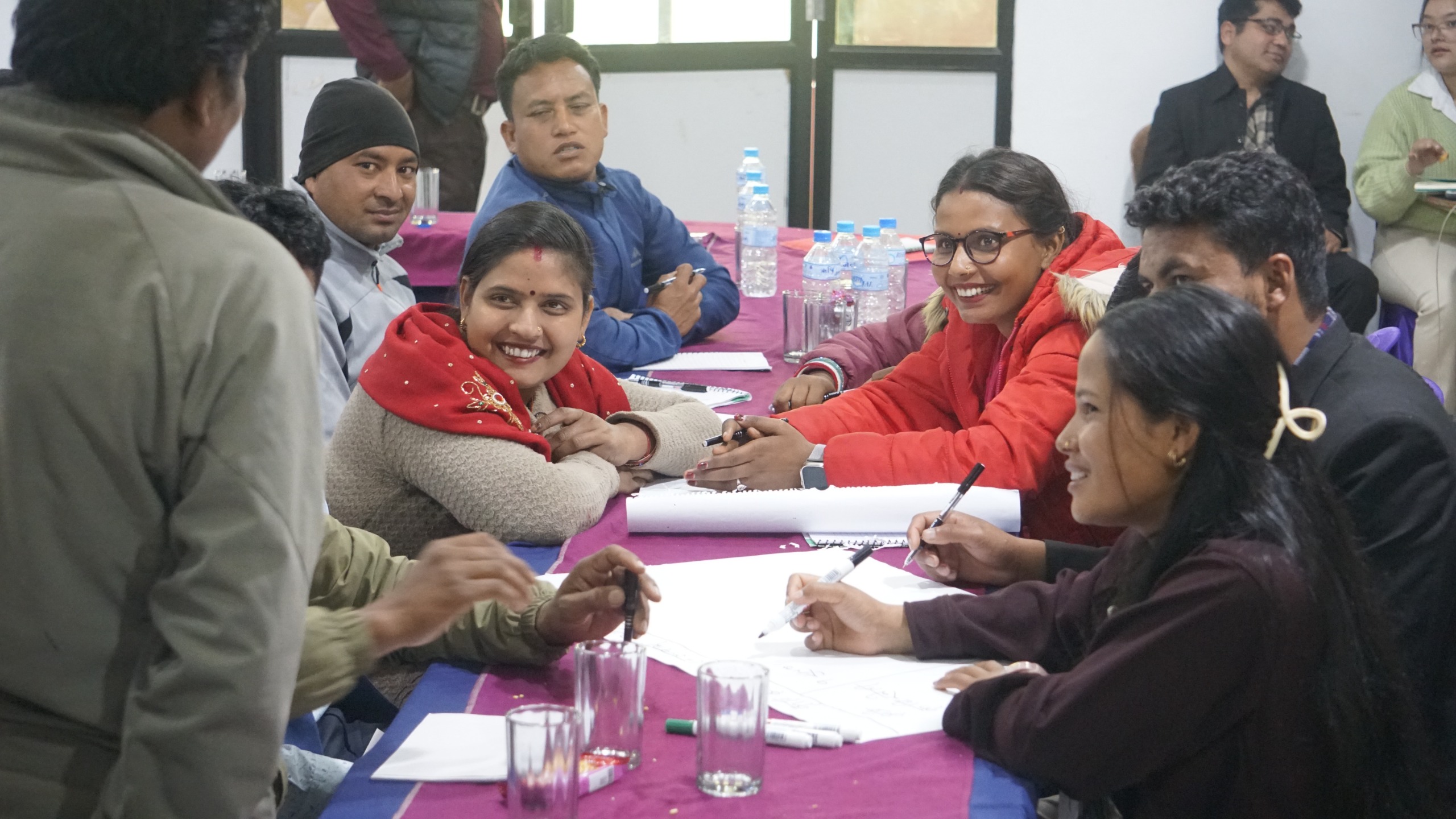
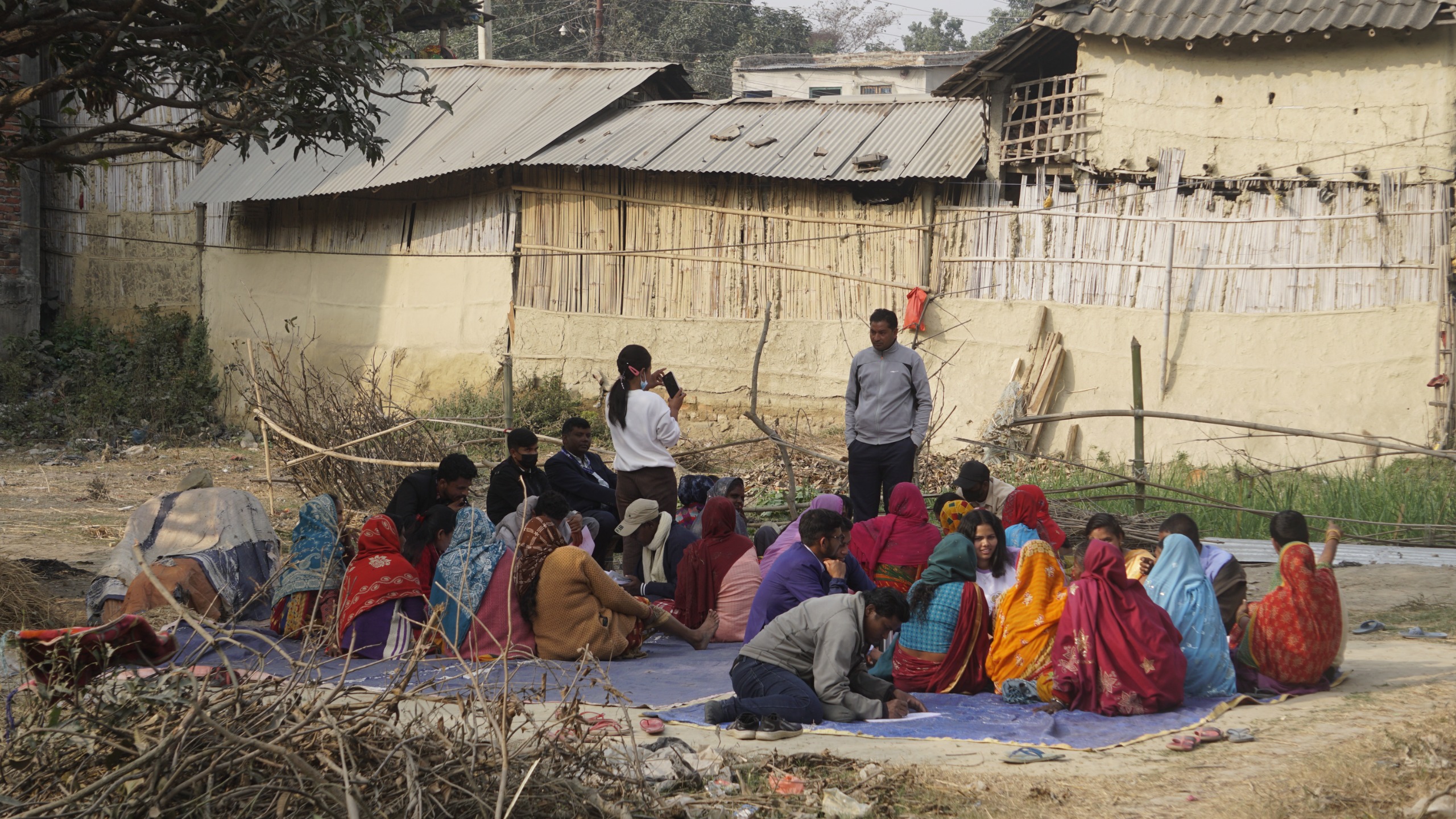
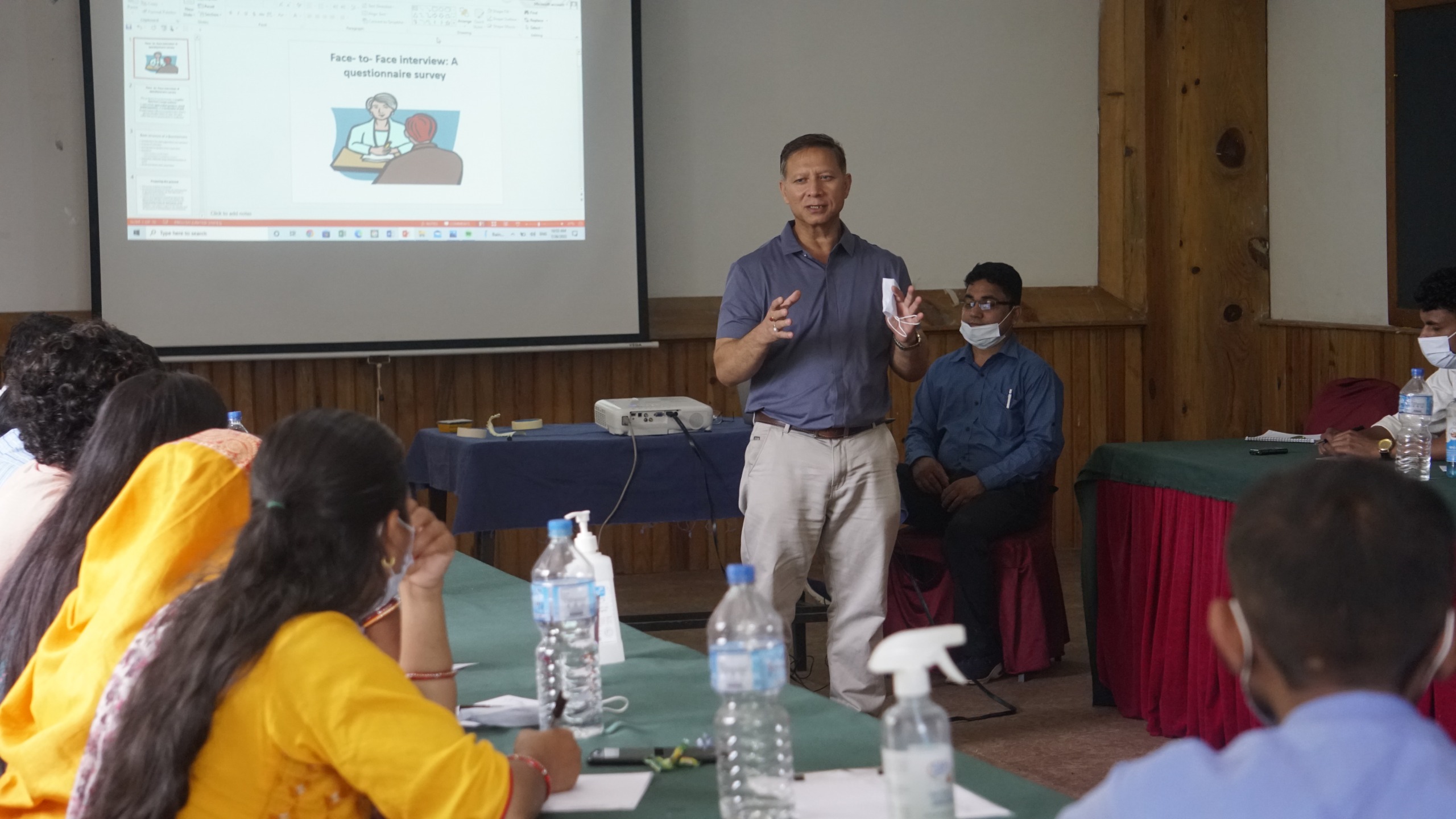
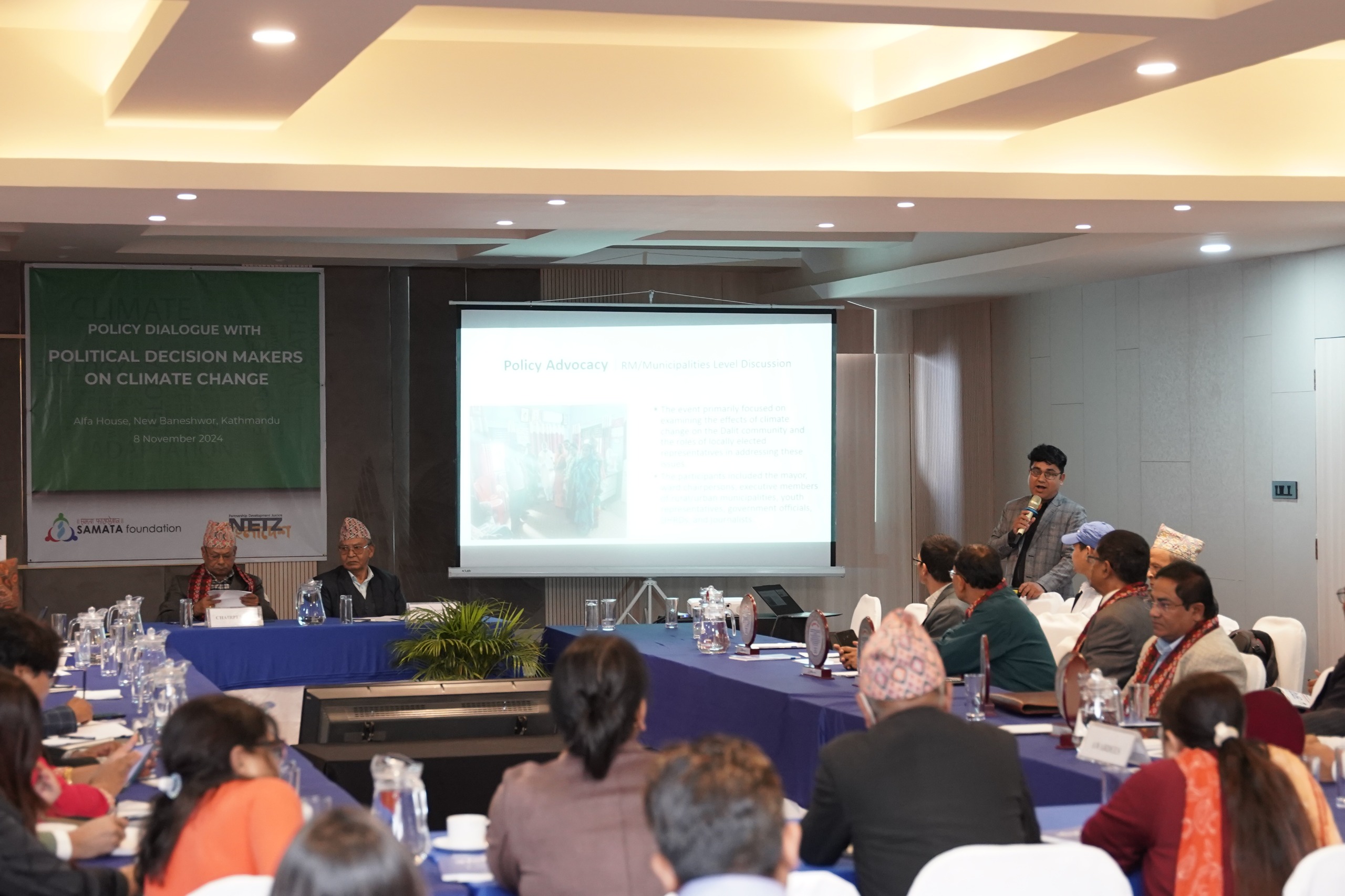
The project worked closely with civil society organizations, Dalit Human Rights Defenders (DHRDs), and Community-Based Organizations (CBOs). It combined research, capacity building, and advocacy to strengthen local institutions and amplify marginalized voices in climate governance. By generating evidence on the impacts of climate change, documenting climate-related human rights issues, and facilitating engagement between communities and policymakers, the project contributed to more inclusive and responsive policy processes.
The overall objective of the studies is to research and document the experiences and perspectives of Dalit communities at grass roots level in Nepal with regard to climate change and climate justice, and share the findings with relevant policy makers and the public at local and national levels. The specific objectives are:
- Carry out a study on the causes of vulnerability and conflict dynamics
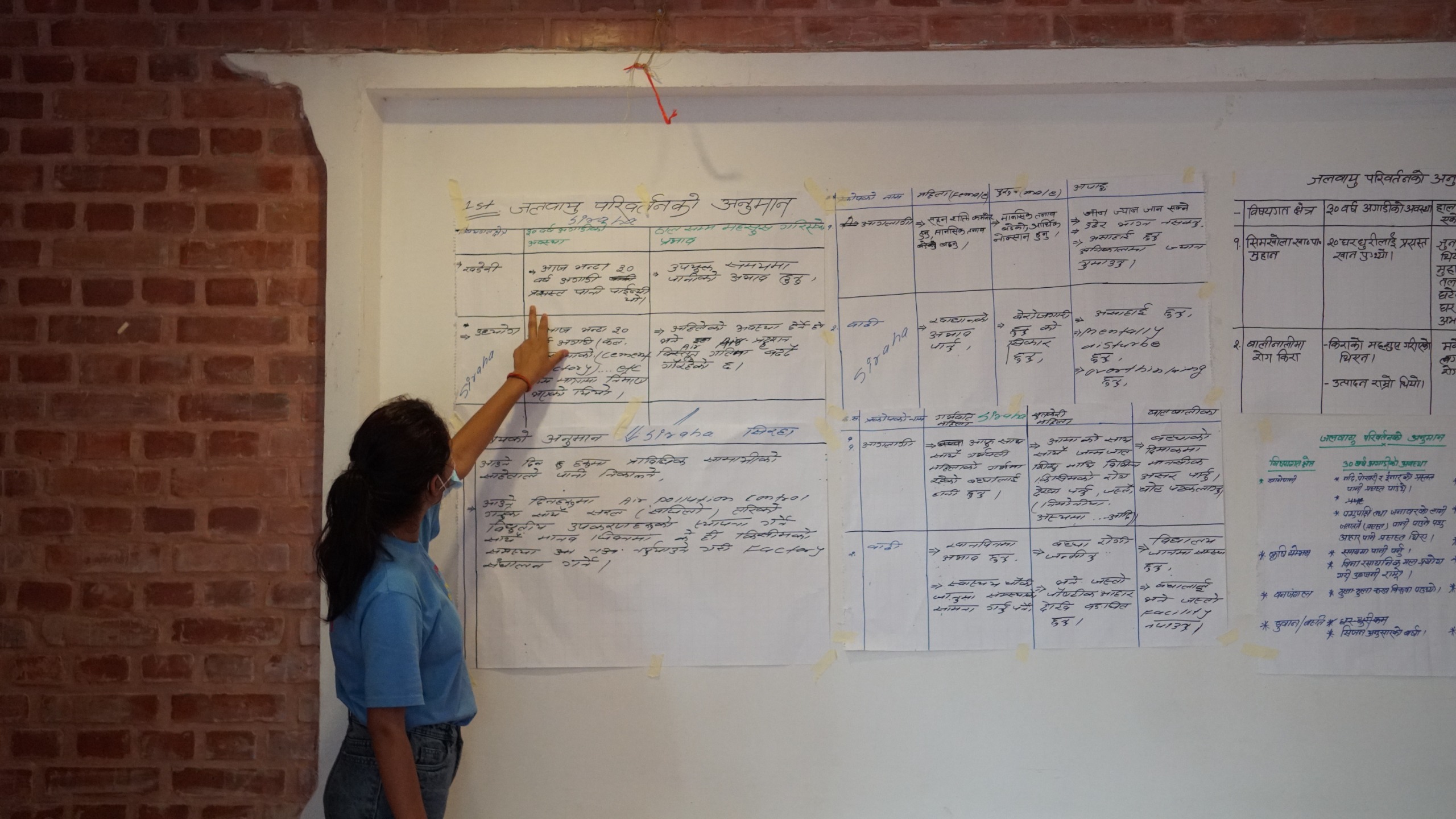
- Conduct an assessment of existing local adaptive capacities, vulnerabilities and climate-related conflict dynamics of Dalit communities.
- Analyse the climate justice situation of Dalit communities with respect to the services delivered by state and non-state actors to the common public.
- Carry out a stakeholder analysis and examine the role of state and non-state actors within these causal complexes and conflicts
- Produce and disseminate information, education and communication materials on the effects of climate change on marginalized groups and possible strategies to strengthen their resilience
- Prepare an influence map and corresponding action plans for local, national and transnational advocacy works.
- Prepare advocacy strategy visible through concrete measures at the local and national level
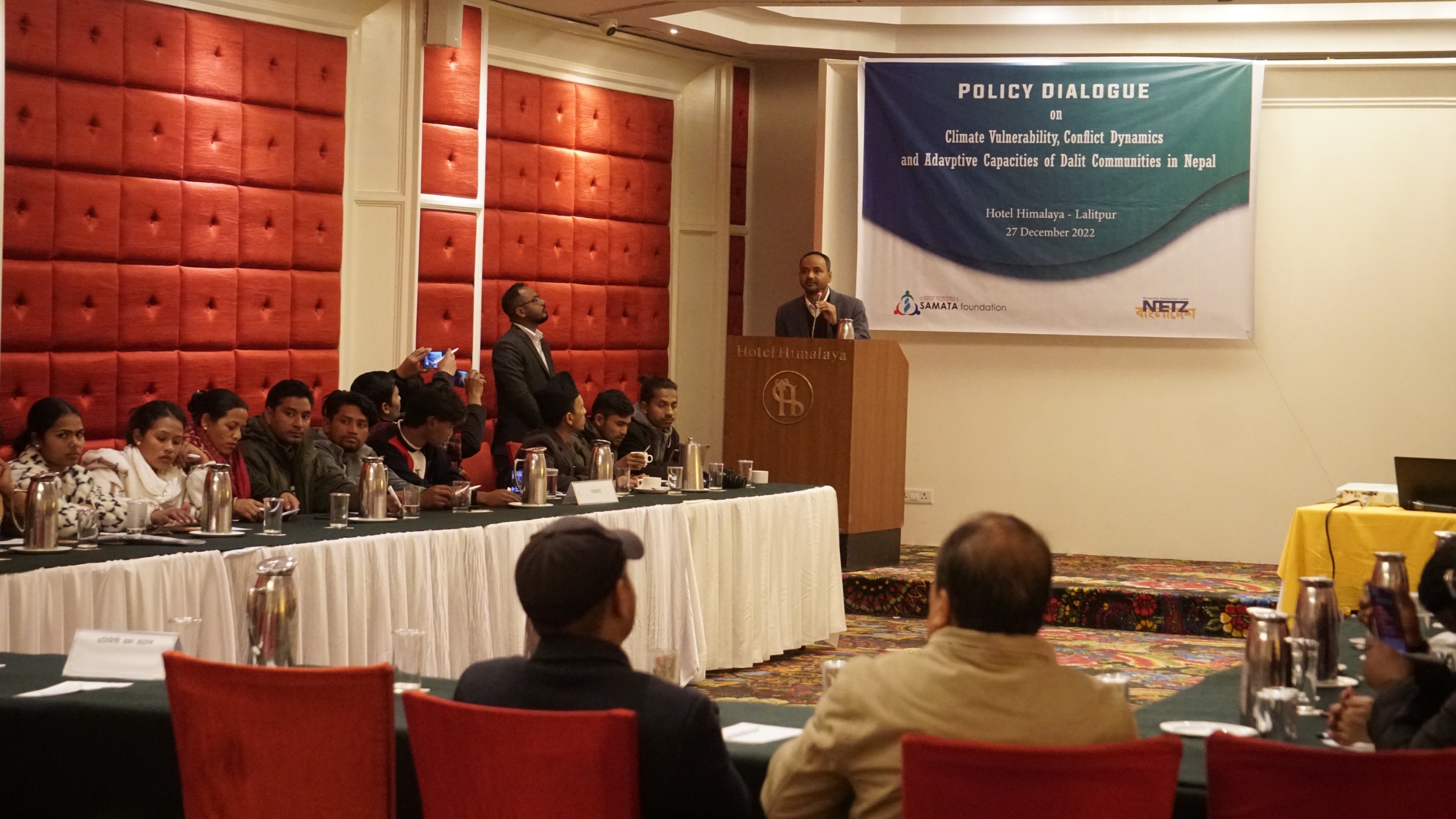
- Present and discuss the results of the study and option in seminars at province and national levels.





You may also like

Protection and Promotion of Dalit Human Rights in Karnali Province
